
Author name: Abe Orgel

A parcel waiting for you at the front door
Reference

Small Parcel Shipping: Optimizing Costs and Efficiency

What is Small Parcel Shipping? Small parcel shipping involves transporting packages typically weighing less than 70 pounds and with low dimensional weight. These parcels are handled individually, often without the need for pallets, and are delivered directly to the recipient’s address. Major carriers in the U.S., such as USPS, UPS, and FedEx, dominate this market, […]

Small Parcel Shipping: Optimizing Costs and Efficiency Read Post »

multiple containers
Reference

LCL Shipping Costs

LCL shipping costs can look simple on a freight quote, but the final landed cost depends on more than the base ocean freight rate. Importers also need to account for CFS handling, terminal charges, documentation, customs brokerage, duties, taxes, inland freight, and seasonal surcharges. This guide explains how LCL shipping cost is calculated, what fees

LCL Shipping Costs Read Post »

Customs Clearance, eCommerce

How is GST/VAT Different Than Sales Tax and Why is It Considered a Sales Tax?

Introduction When expanding your business internationally, understanding Goods and Services Tax (GST) and Value Added Tax (VAT) is crucial. While these taxes function similarly to sales tax in the U.S., they have significant differences in how they are applied and collected. This guide breaks down how GST/VAT differs from sales tax, how it impacts importers

How is GST/VAT Different Than Sales Tax and Why is It Considered a Sales Tax? Read Post »
Air Freight, Ground Shipping, Ocean Freight

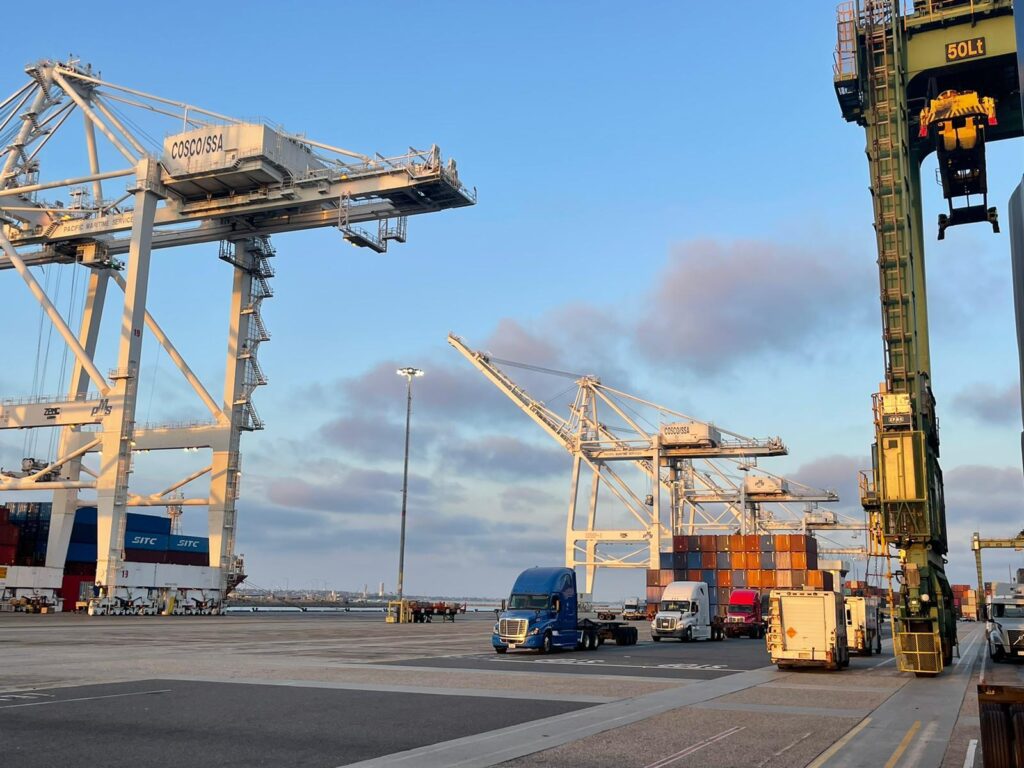
The Hidden Costs of LCL: When Air or FCL Is The Smarter Choice

LCL vs. Air vs. FCL: Why Landed Cost Matters More Than Freight Rate When choosing between Air Freight, LCL (Less-than-Container Load), and FCL (Full Container Load), most shippers focus on freight rates per CBM (cubic meter). However, the real decision should be based on landed cost—the total cost of moving goods from origin to final

The Hidden Costs of LCL: When Air or FCL Is The Smarter Choice Read Post »

Glossy office buildings reflecting the light
Reference

Navigating Free Trade Zones: New York Based Importing

Using a Free Trade Zone offers significant opportunities for businesses involved in international trade. However, understanding its implications on operations, especially within the insurance sector, is crucial. In this post we explore key insights across three critical areas: insurance, FTZ classes, and the specific regulations governed by the New York Department of Insurance. Insurance Implications

Navigating Free Trade Zones: New York Based Importing Read Post »

Sitting in a meeting discussing FTZs
Reference

New York Department of Insurance Free Trade Zone: Key Insights

What Is the New York Department of Insurance Free Trade Zone? The New York Department of Insurance Free Trade Zone is an essential element for businesses operating within New York’s designated international trade areas. This zone affects not only logistics and customs but also insurance coverage and requirements. Understanding how the Free Trade Zone operates

New York Department of Insurance Free Trade Zone: Key Insights Read Post »

A blue shirted office worker counting stacks of pennies
Reference

What Is the New York Free Trade Zone in Insurance?

The New York Free Trade Zone is commonly associated with international trade, but its impact extends beyond logistics and customs—especially in the insurance industry. Businesses operating within this zone must consider how insurance requirements, coverage options, and risk factors change when conducting business in these designated areas. Understanding the New York Free Trade Zone The New

What Is the New York Free Trade Zone in Insurance? Read Post »

CBP Reconciliation Entries and Your IEEPA Refund
Reference

New York Free Trade Zone Classes: Importer Guide

New York free trade zone classes help importers choose the right structure for storing, processing, manufacturing, or re-exporting goods before duties are paid. The main options include general-purpose foreign trade zones, special-purpose subzones, manufacturing or production authority, and customs bonded warehouses for specific storage needs. If you are comparing FTZ treatment with bonded warehousing or

New York Free Trade Zone Classes: Importer Guide Read Post »

Scroll to Top