The Strait of Hormuz blockage has forced ocean carriers to make fast decisions about vessel routing. Ships that would have transited the Persian Gulf are now diverting, and with that diversion comes a logistics mechanism that most importers rarely think about until it bites them: transshipment.
If your cargo is moving on a carrier that’s rerouting away from the Gulf, there’s a real chance your container is getting offloaded at an intermediate port, Singapore, Port Klang, Colombo, Jebel Ali, and transferred onto a second vessel for the final leg of the journey. That’s transshipment. And when it goes smoothly, you barely notice it. When it doesn’t, you’re looking at weeks of delay, missed inventory windows, and a customer service problem.
Here are the three things you need to understand about transshipment right now.
1. Vessel Availability on the Second Leg Is Not Guaranteed
When carriers divert a mother vessel away from a Gulf port, they often make routing decisions in real time. Your cargo gets discharged at a transshipment hub say, Singapore, and it now needs to connect with a feeder vessel or an onward sailing to your final destination.
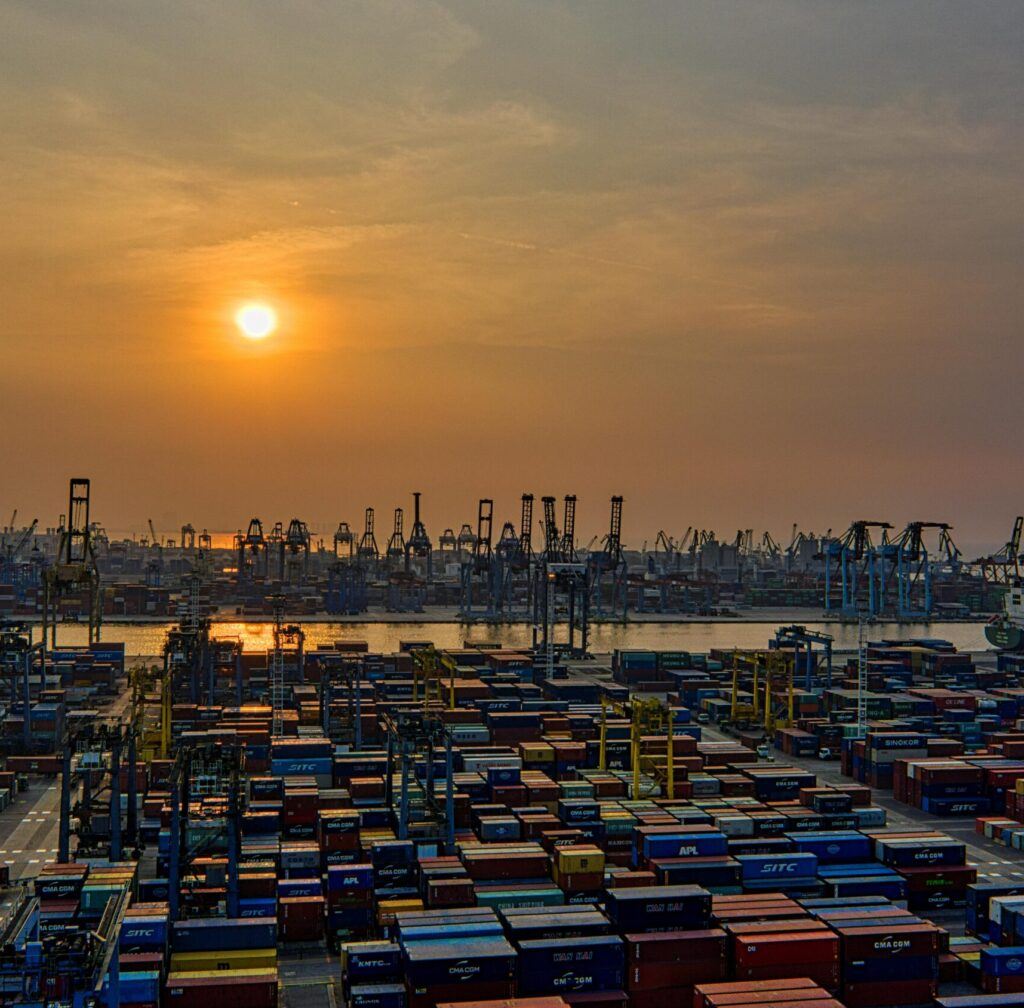
The problem: that onward vessel is not always ready and waiting. Transshipment hubs like Singapore, Colombo, and Port Klang are already under enormous pressure from the simultaneous closure of the Bab el-Mandeb and Hormuz corridors. Equipment is backing up, berths are congested, and feeder services are running on compressed schedules. Your cargo’s connection to the second leg depends entirely on what’s available at that hub on that day, and available doesn’t always mean booked for you.
Your freight forwarder should be confirming second-leg vessel availability before your cargo even arrives at the transshipment port, not after.
2. Transit Time Has to Account for the Full Journey – Both Legs
Most ocean freight quotes and booking confirmations will show you an estimated arrival date. What they won’t always make clear is how much buffer exists between your cargo’s expected arrival at the transshipment hub and the departure of the connecting vessel.
This is the number that matters. If your container is estimated to arrive in Singapore on March 10 and the onward sailing departs March 15, you have a five-day window. In normal conditions, that’s workable. In a congested hub during a global routing disruption, five days can disappear fast, through berth delays, port congestion, customs holds, or simple equipment chaos.
Before you accept any booking that involves transshipment, get your freight forwarder to answer one question: What is the estimated arrival at the transshipment port, and what is the departure date of the confirmed connecting vessel? Those two dates, and the gap between them, tell you your real risk exposure.
3. If You Miss the Connection, Carrier Alliance Knowledge Is the Difference Between Days and Weeks
This is where most importers get hurt. If your cargo misses the connecting vessel, the instinct is to ask your carrier when the next sailing is. The answer might be fine, or it might be a disaster.
Here’s why it matters: carriers don’t operate in isolation. They operate within alliances.
The major ocean carrier alliances, Ocean Alliance (CMA CGM, COSCO, Evergreen, OOCL) and Premier Alliance (ONE, HMM, Yang Ming) — share vessel space on shared service strings. If you shipped with Evergreen and your cargo misses a connection in Singapore, Evergreen may only have their next available sailing on April 5. That’s a four-week wait from a missed March 10 transshipment.
But here’s what many importers don’t know: because Evergreen is part of Ocean Alliance, you can ask your freight forwarder to request that your cargo be loaded on an Ocean Alliance partner vessel instead. OOCL, COSCO, or CMA CGM may have a sailing departing March 18, the same service string, different carrier flag. That’s the difference between a one-week delay and a four-week delay.
This is not guaranteed, it requires coordination between your freight forwarder and the carrier’s customer service team, and alliance slot-sharing agreements vary by trade lane and service. But it is a legitimate ask, and an experienced freight forwarder will know which alliance your carrier belongs to, which partners share that lane, and when the next available partner sailing departs.
If your forwarder doesn’t know the carrier alliance structure of your ocean booking, that’s a problem.
The Bottom Line for Importers
Transshipment has always been a feature of global ocean freight. During the Strait of Hormuz disruption, it’s become the rule rather than the exception on Gulf-origin trade lanes. The importers who come out of this with minimal damage are the ones who are asking the right questions before the cargo moves, not after it goes silent at a hub port.
Three questions to ask your freight forwarder on every shipment right now:
- Does this booking involve transshipment, and if so, where?
- What is the ETA to the transshipment port, and when does the connecting vessel depart?
- If we miss the connection, which carrier alliance is our carrier in, and what is the next available partner sailing?
Keep moving.
Simple Forwarding specializes in complex international logistics, ocean freight booking, and customs release strategy. If you have cargo caught in a Strait of Hormuz rerouting or a transshipment delay, contact us directly.